
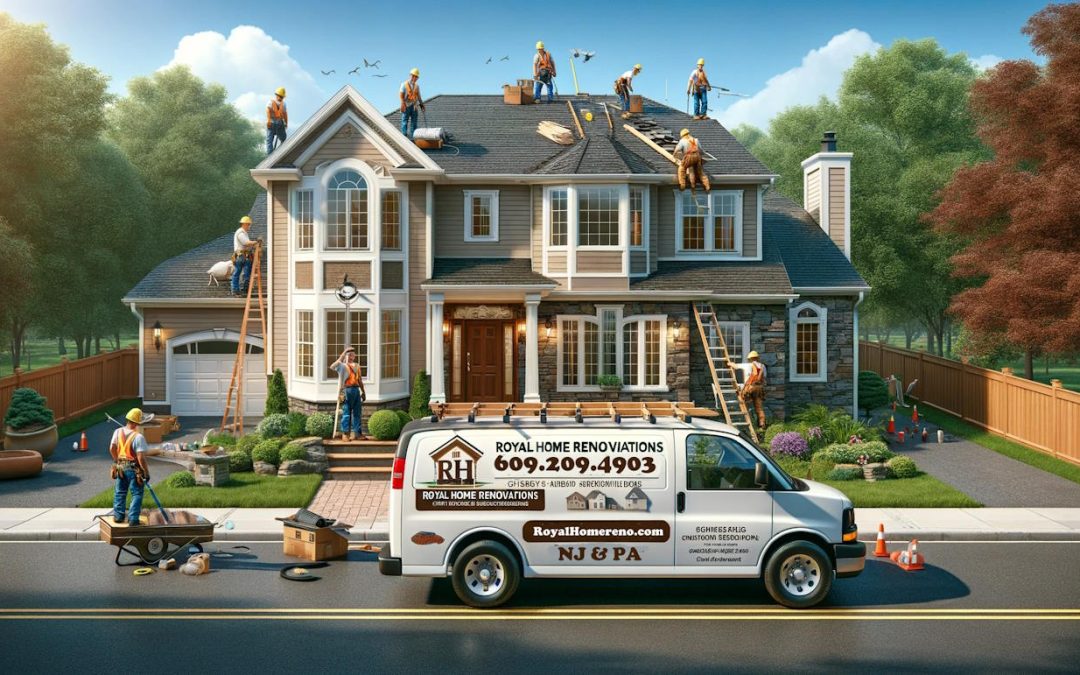
Roof repairs are an essential part of homeownership that should never be overlooked. The roof is one of the most important components of a house, providing protection from the elements and keeping the interior safe and dry. Neglecting roof repairs can lead to significant damage to the home, resulting in costly repairs and potential health hazards. In this article, we will discuss the importance of roof repairs, common roof problems, how to choose the right roofing materials and contractor, steps to take before starting a roof repair project, DIY vs professional repairs, essential tools for roof repair, roof maintenance tips, signs that your roof needs immediate attention, and budgeting for your roof repair project.
Understanding the Importance of Roof Repairs
Roof repairs are crucial for maintaining the integrity of your home and preventing further damage. A small leak or missing shingle may seem insignificant at first, but if left unaddressed, it can lead to more significant issues. Water can seep into the structure of your home, causing rot, mold growth, and damage to the interior walls and ceilings. This can result in costly repairs and potential health hazards for you and your family.
By prioritizing roof repairs, homeowners can save money in the long run. Fixing a small issue now is much more cost-effective than waiting until it becomes a major problem that requires extensive repairs or even a full roof replacement. Regular maintenance and timely repairs can extend the lifespan of your roof and prevent costly damage to your home.
Identifying Common Roof Problems
There are several common roof problems that homeowners should be aware of. One of the most common issues is a leaky roof. Signs of a leak include water stains on the ceiling or walls, damp spots or puddles on the floor, and a musty odor in the affected area. Missing or damaged shingles are another common problem. Shingles can become loose or damaged due to age, weather conditions, or improper installation. Damaged flashing, which is the metal or rubber material that seals the joints and edges of the roof, can also cause leaks if it becomes cracked or corroded.
To identify these problems, homeowners should regularly inspect their roof for any signs of damage. This can be done by visually inspecting the roof from the ground or using binoculars to get a closer look. It’s important to note that not all roof problems are visible from the ground, so it may be necessary to climb onto the roof or hire a professional for a thorough inspection. If you notice any signs of damage or suspect a problem with your roof, it’s best to call a professional roofing contractor to assess the situation and make any necessary repairs.
Roofing Materials: Which One is Right for You?
When it comes to choosing the right roofing material for your home, there are several options to consider. The most common roofing material is asphalt shingles, which are affordable, durable, and available in a variety of colors and styles. They are relatively easy to install and repair, making them a popular choice for homeowners.
Metal roofing is another option that has gained popularity in recent years. Metal roofs are known for their longevity and durability, often lasting 50 years or more. They are resistant to fire, wind, and hail damage and are an excellent choice for homes in areas prone to severe weather conditions. Metal roofs can be more expensive upfront compared to other materials but can save homeowners money in the long run due to their longevity and energy efficiency.
Tile roofing is a popular choice for homeowners looking for a more aesthetically pleasing option. Tile roofs are known for their durability and can last up to 100 years with proper maintenance. They come in a variety of styles and colors and can enhance the curb appeal of any home. However, tile roofs can be heavy and may require additional structural support. They are also more expensive than other roofing materials and can be challenging to repair if damaged.
When choosing the right roofing material for your home, it’s essential to consider factors such as cost, durability, energy efficiency, and the architectural style of your home. Consulting with a professional roofing contractor can help you make an informed decision based on your specific needs and budget.
How to Choose the Right Contractor for Your Roof Repair
Choosing the right roofing contractor is crucial for the success of your roof repair project. A reputable and experienced contractor will ensure that the repairs are done correctly and efficiently, saving you time, money, and potential headaches down the road. Here are some tips for choosing a reliable roofing contractor:
1. Ask for recommendations: Start by asking friends, family, and neighbors for recommendations. Word-of-mouth referrals are often a reliable way to find a reputable contractor who has provided satisfactory service to someone you know.
2. Check references: Before hiring a contractor, ask for references from previous clients. Contact these references and ask about their experience working with the contractor. Were they satisfied with the quality of work? Was the project completed on time and within budget? Would they recommend the contractor?
3. Verify insurance and licensing: It’s essential to ensure that the contractor you hire has the necessary insurance coverage and licensing required by your state or local jurisdiction. This will protect you from liability in case of any accidents or damage that may occur during the project.
4. Get multiple quotes: Obtain quotes from at least three different contractors to compare prices and services. Be wary of any significantly low or high bids compared to others, as this could indicate subpar workmanship or hidden costs.
5. Ask about warranties: Inquire about the warranties offered by the contractor for both materials and labor. A reputable contractor should provide a warranty that covers any defects or issues that may arise after the completion of the project.
By following these tips, homeowners can ensure that they hire a reputable and experienced roofing contractor who will provide quality workmanship and customer service.
Steps to Take Before Starting Your Roof Repair Project

Before starting a roof repair project, homeowners should take several steps to ensure a smooth and successful process. Here are some essential steps to consider:
1. Obtain necessary permits: Depending on the scope of the project and local regulations, you may need to obtain permits before starting your roof repair. Check with your local building department to determine if any permits are required and how to obtain them.
2. Prepare the work area: Clear the area around your home to provide easy access for the roofing crew and to protect your landscaping from any potential damage. Move vehicles, outdoor furniture, and other items away from the work area.
3. Communicate with your neighbors: If you live in a close-knit community or have neighbors in close proximity, it’s considerate to inform them about your upcoming roof repair project. This will allow them to make any necessary arrangements and be prepared for any noise or disruption that may occur during the project.
4. Protect your belongings: Cover or move any valuable or fragile items inside your home to protect them from dust or debris that may be generated during the roof repair process.
5. Make arrangements for pets and children: Roof repair projects can be noisy and potentially dangerous for pets and children. Consider making arrangements for them to stay with friends or family during the project to ensure their safety and minimize stress.
By taking these steps before starting your roof repair project, you can help ensure a smooth and successful process.
DIY vs Professional Roof Repairs: Pros and Cons
When it comes to roof repairs, homeowners often wonder whether they should attempt a DIY repair or hire a professional contractor. While some minor repairs can be done by homeowners with basic DIY skills, more extensive repairs or those involving complex roofing systems are best left to professionals. Here are some pros and cons of DIY roof repairs versus hiring a professional:
DIY Roof Repairs:
Pros:
– Cost savings: DIY repairs can save homeowners money on labor costs. However, it’s important to consider the potential cost of mistakes or improper repairs that may lead to more significant issues down the road.
– Flexibility: DIY repairs allow homeowners to work on their own schedule and at their own pace.
– Learning experience: DIY repairs can be a valuable learning experience for homeowners who want to gain knowledge and skills in home maintenance.
Cons:
– Lack of expertise: Roofing is a specialized skill that requires knowledge and experience. DIY repairs may not be done correctly, leading to further damage or the need for professional repairs in the future.
– Safety risks: Working on a roof can be dangerous, especially for those without proper training and safety equipment. Falls from roofs can result in serious injuries or even death.
– Time-consuming: DIY repairs can take much longer than hiring a professional, especially for those without experience or the necessary tools.
Professional Roof Repairs:
Pros:
– Expertise and experience: Professional roofing contractors have the knowledge, skills, and experience to identify and repair roof problems correctly. They can ensure that the repairs are done efficiently and effectively.
– Safety: Professional roofers are trained in safety protocols and have the necessary equipment to work safely at heights. Hiring a professional eliminates the risk of accidents or injuries associated with DIY repairs.
– Warranty: Reputable roofing contractors often provide warranties for their workmanship and materials used. This provides homeowners with peace of mind knowing that any issues that arise after the completion of the project will be addressed.
Cons:
– Cost: Hiring a professional roofing contractor can be more expensive upfront compared to DIY repairs. However, it’s important to consider the potential cost of mistakes or improper repairs that may lead to more significant issues down the road.
When deciding whether to attempt a DIY repair or hire a professional, homeowners should consider the complexity of the repair, their own skills and experience, and the potential risks and costs involved. It’s always best to consult with a professional roofing contractor for an assessment and recommendation.
Essential Tools for Roof Repair
If you decide to tackle a DIY roof repair project, it’s essential to have the right tools for the job. Here are some essential tools needed for a roof repair project:
1. Safety equipment: Safety should be the top priority when working on a roof. Essential safety equipment includes a sturdy ladder, safety harness, hard hat, gloves, and non-slip shoes.
2. Roofing hammer: A roofing hammer, also known as a roofing hatchet or roofing nailer, is specifically designed for roofing tasks. It has a flat head for driving nails and a claw for removing old nails or shingles.
3. Pry bar: A pry bar is used to remove damaged or loose shingles. It can also be used to lift flashing or other roofing materials.
4. Roofing knife: A roofing knife is used to cut shingles or other roofing materials. It should have a retractable blade for safety.
5. Roofing nails: Roofing nails are specifically designed for use in roofing projects. They have a large head and a short shank to provide better holding power.
6. Caulk gun: A caulk gun is used to apply sealant or caulk to seal gaps or cracks in the roof.
7. Roofing adhesive: Roofing adhesive is used to bond roofing materials together or secure them to the roof surface.
8. Roofing cement: Roofing cement is used to seal leaks or cracks in the roof. It can be applied with a trowel or putty knife.
9. Flashing: Flashing is used to seal joints and edges of the roof, preventing water from seeping in. It is typically made of metal or rubber.
10. Roofing felt: Roofing felt, also known as tar paper, is a protective layer that is installed under the shingles to provide an additional barrier against water and moisture.
It’s important to use these tools safely and effectively. Follow all safety guidelines and manufacturer’s instructions when using these tools to avoid accidents or damage to the roof.
Roof Maintenance Tips to Prevent Future Damage
Regular roof maintenance is essential for preventing future damage and prolonging the life of your roof. Here are some tips for maintaining a healthy roof:
1. Clean gutters regularly: Clogged gutters can cause water to back up onto the roof, leading to leaks and water damage. Clean your gutters at least twice a year, or more frequently if you have trees near your home that shed leaves or debris.
2. Trim overhanging branches: Overhanging branches can damage the roof during storms or high winds. Trim any branches that are in close proximity to your roof to prevent them from rubbing against the shingles or causing other damage.
3. Inspect the roof regularly: Regularly inspect your roof for any signs of damage, such as missing or damaged shingles, cracked flashing, or sagging areas. Look for signs of water stains on the ceiling or walls inside your home, as this may indicate a leak.
4. Remove debris: Remove any debris, such as leaves or branches, from your roof regularly. Debris can trap moisture and cause rot or mold growth.
5. Check for moss or algae growth: Moss or algae growth on the roof can trap moisture and cause damage over time. Use a soft brush or broom to remove any moss or algae growth, taking care not to damage the shingles.
6. Insulate and ventilate: Proper insulation and ventilation in your attic can help regulate temperature and humidity levels, preventing moisture buildup that can lead to roof damage.
7. Schedule professional inspections: It’s a good idea to have your roof professionally inspected at least once a year, or more frequently if you live in an area with severe weather conditions. A professional inspection can identify any potential issues and allow for timely repairs.
By following these maintenance tips, homeowners can prevent future damage to their roof and prolong its lifespan.
Signs That Your Roof Needs Immediate Attention
Certain signs indicate that your roof needs immediate attention and should not be ignored. Here are some signs that require prompt action:
1. Water stains on the ceiling or walls: Water stains on the ceiling or walls inside your home are a clear indication of a leak in your roof. If left unaddressed, the leak can cause significant damage to the structure of your home and potentially lead to mold growth.
2. Missing or damaged shingles: Missing or damaged shingles can leave your roof vulnerable to leaks and further damage. If you notice any shingles that are cracked, curled, or missing, it’s important to have them replaced as soon as possible.
3. Sagging areas: Sagging areas on your roof may indicate structural issues or water damage. If you notice any areas that appear to be sagging or dipping, it’s crucial to have them inspected by a professional immediately.
4. Granules in gutters: If you notice an excessive amount of granules in your gutters, it may indicate that your shingles are deteriorating and need to be replaced. Granules protect the shingles from UV rays and provide fire resistance, so it is important to address this issue promptly. Without the protective layer of granules, the shingles can become more susceptible to damage from the sun’s rays and may not be as effective in preventing fires. Additionally, the presence of granules in the gutters suggests that the shingles are wearing down and may not be able to effectively shed water, potentially leading to leaks and water damage. Therefore, it is crucial to have a professional inspect your roof and determine if replacement shingles are necessary to maintain the integrity and functionality of your roof.
If you’re looking for more information on roof repair, be sure to check out Royal Home Reno’s blog post titled “The Importance of Regular Roof Maintenance.” This informative article dives into the reasons why regular roof maintenance is crucial for the longevity and durability of your home. From identifying common roofing issues to providing tips on how to maintain your roof, this article is a must-read for homeowners. To learn more, click here.